Archive Search Page
It's All Our Tomorrows
9th January 1976
Burnley
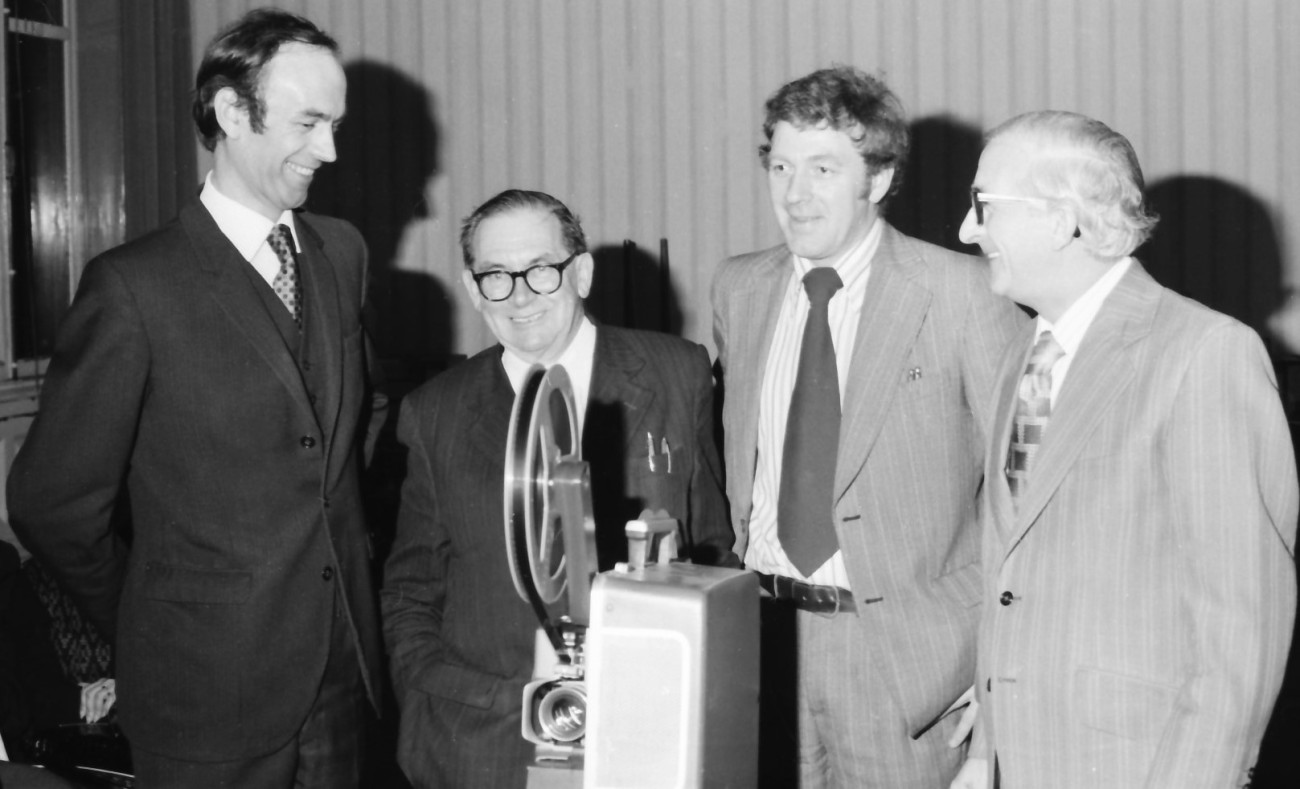
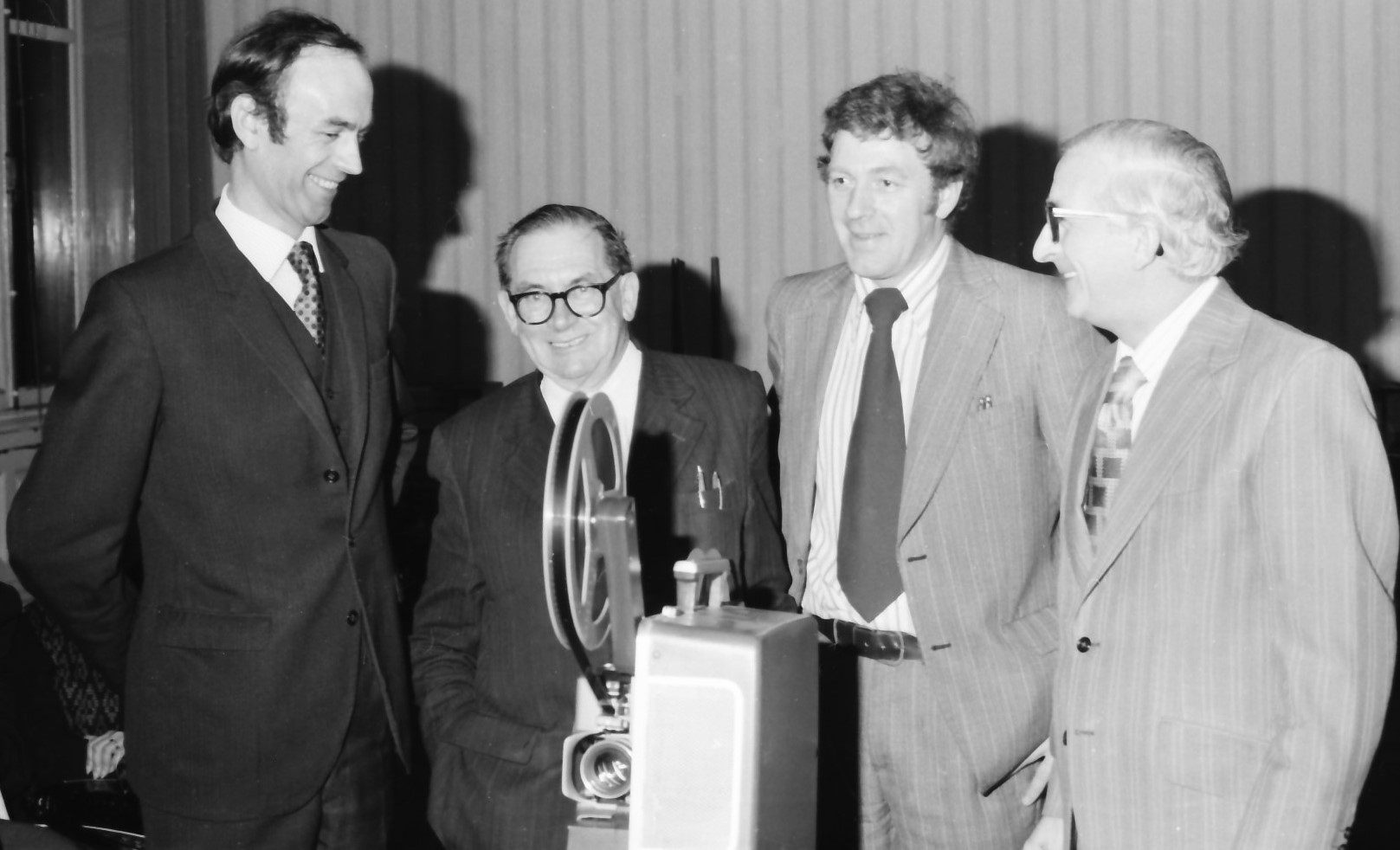
Enjoying a chat are Mr Whittle, Civic Trust chairman, Mr W. Burton Parkinson, Mr West and Coun. Hanson.
Some of the heartaches and hopes of people in Burnley were laid bare at a unique meeting. The town's Chief Executive Officer, Mr Brian Whittle, and Deputy Mayor and council leader Coun. Edward Hanson, were there to say which of those dreams were likely to be realised and which of the nightmares could be banished. The meeting was organised by Burnley and District Civic Trust.
QUESTION: How often are the Calder, Brun and Green Brook inspected for pollution, etc?
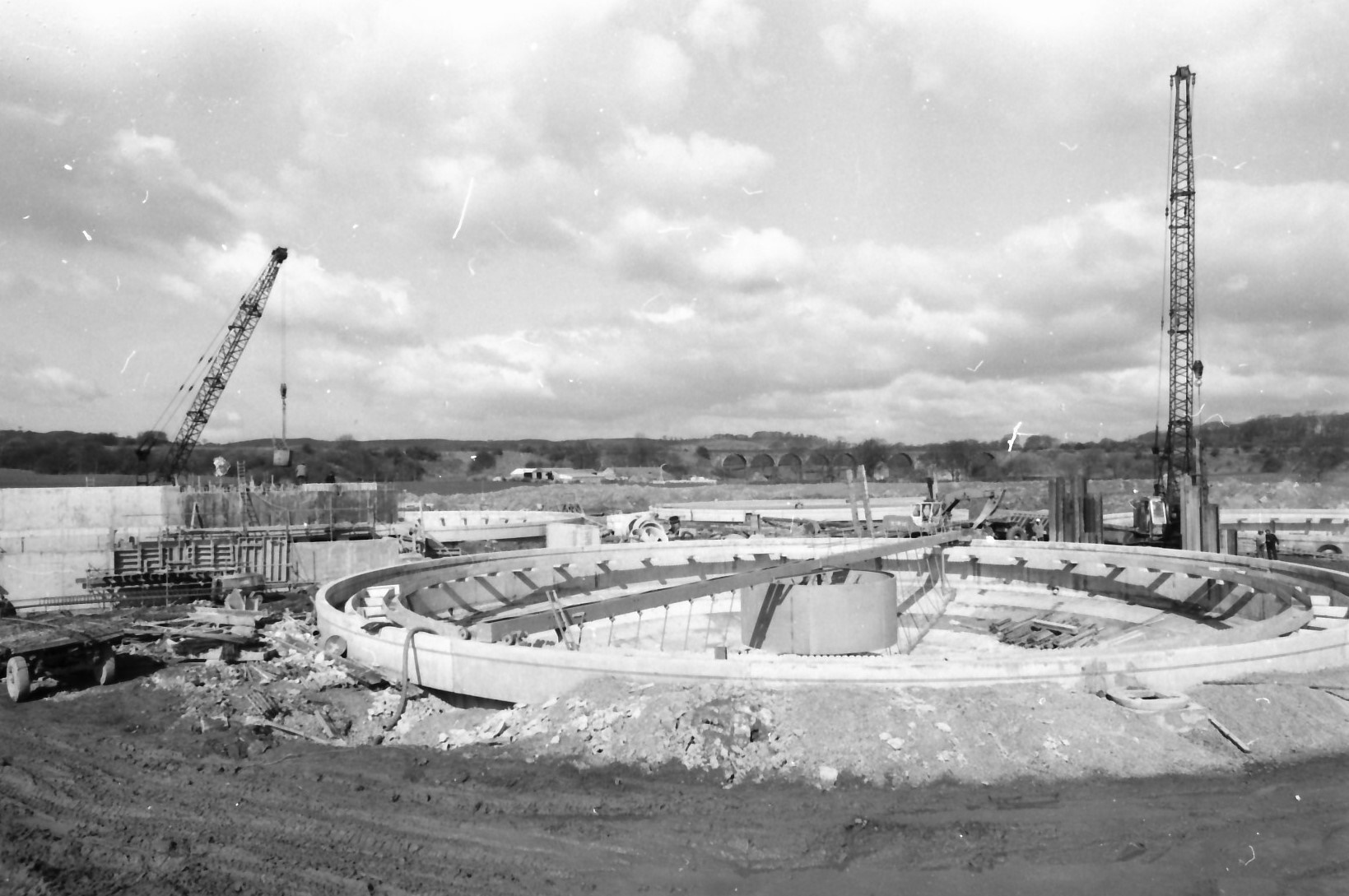
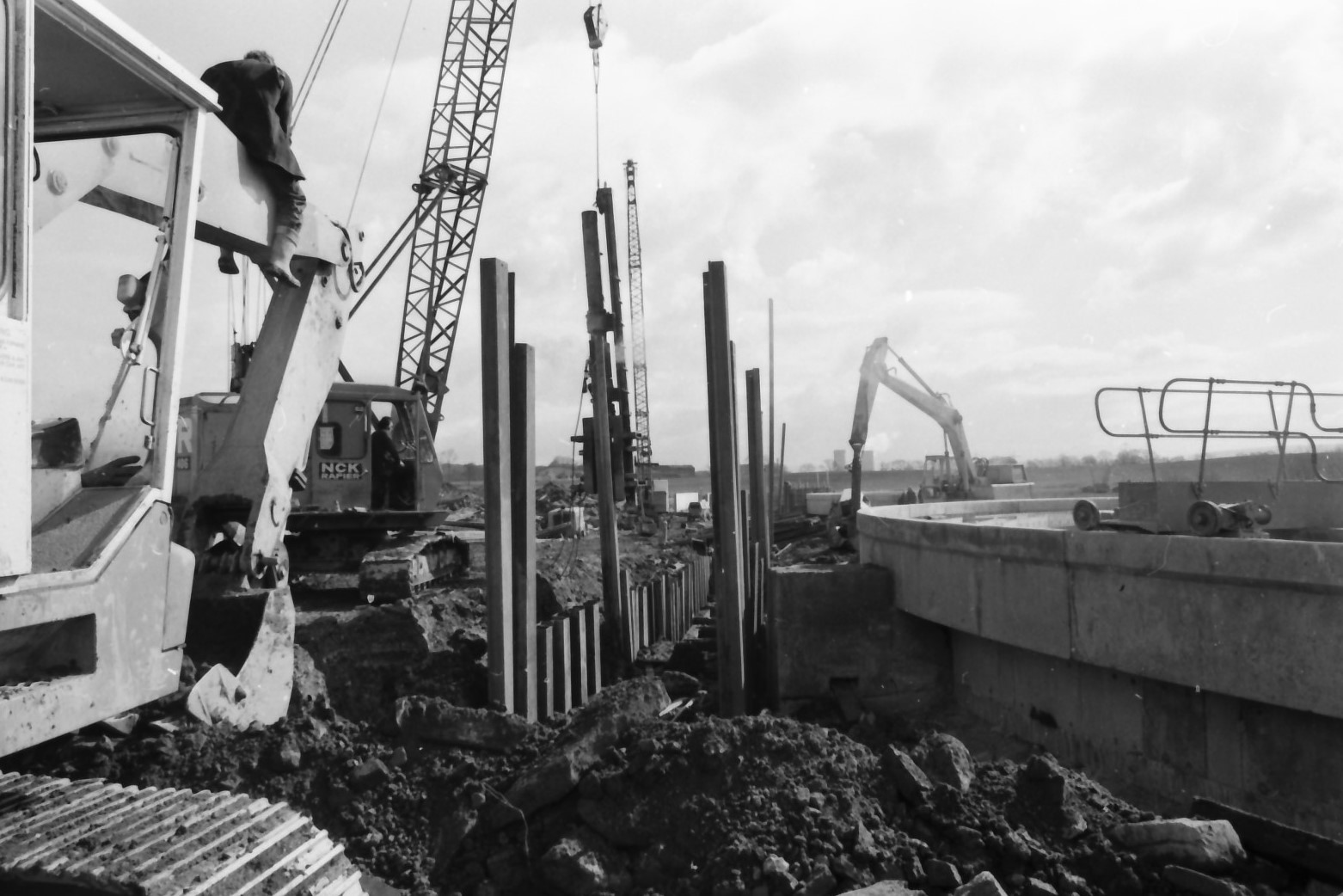
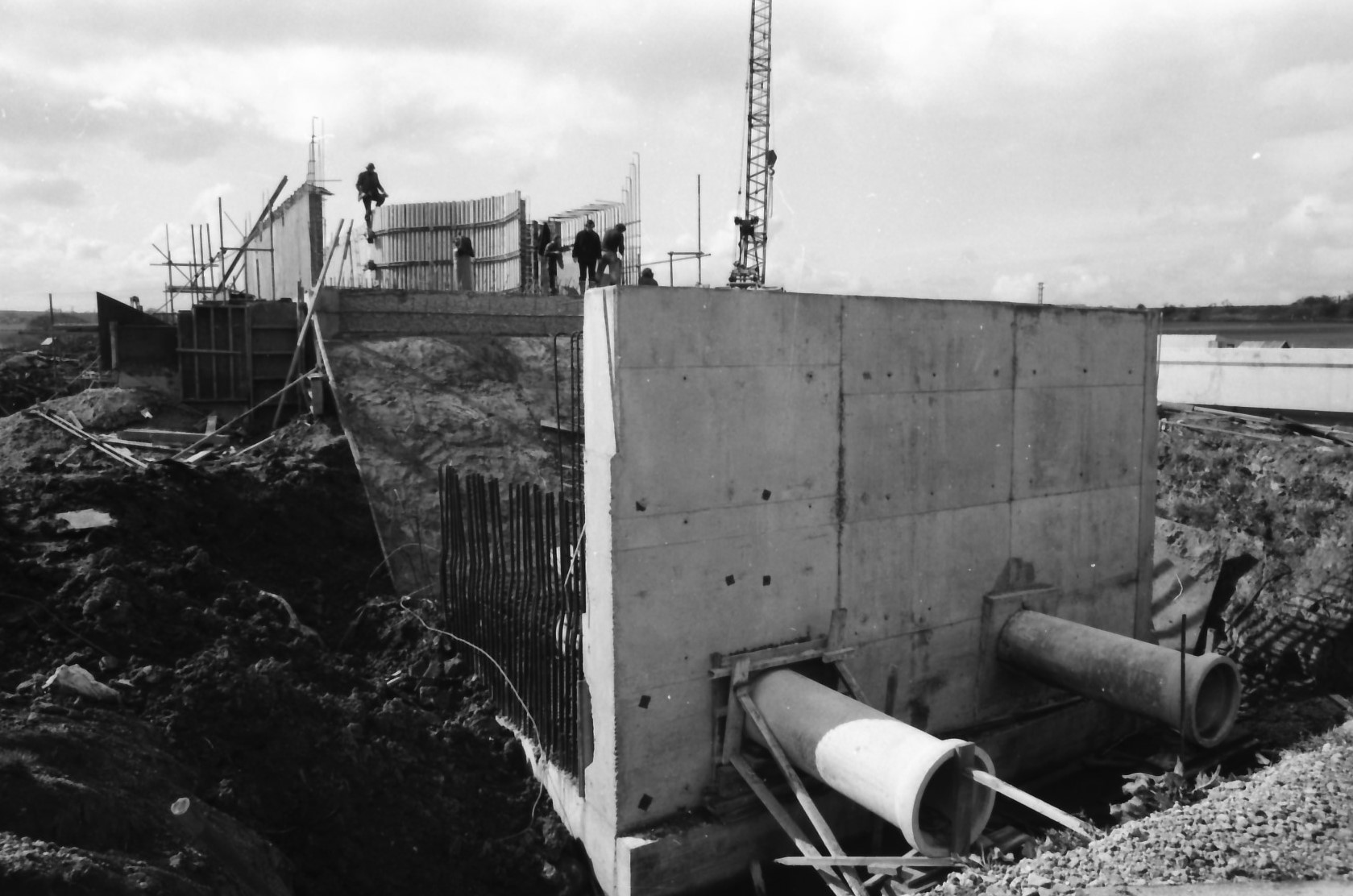
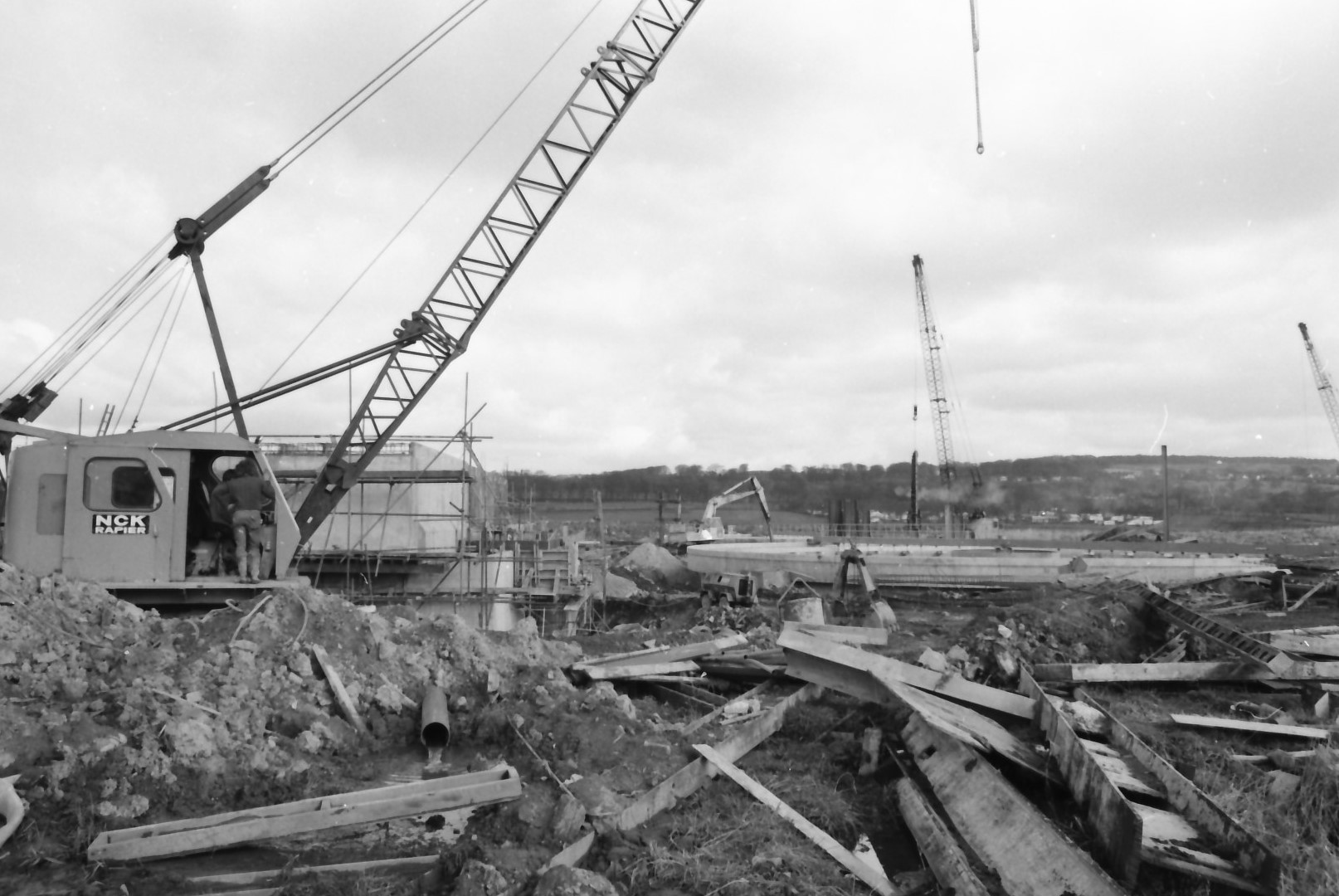
ANSWER: Mr Whittle said that the North West Regional Water Authority carried out monthly sampling programmes on the Calder and Brun, biologically and chemically analysing the water. He said: "On top of this, all the rivers in the area are inspected weekly. We have inspectors working in Burnley on at least two days a week." In recent years there have been numerous complaints of sewage pollution in the stream at Scott Park and Sweet Clough, and about the tomato sauce colour of the River Calder at Towneley. Mr Whittle explained that most sewage pollution was caused by the storm water overflows from Burnley's old-fashioned sewers. He said there were about 60 of these overflows in the town, but many would be eliminated when the new central area sewer under Stoneyholme opened shortly. The North West Water Authority had recently given the go-ahead for another big sewer to be built in the Parklands area. He said this would cut out even more storm water overflows and further improve the situation. He explained the orange colour of the Calder and Brun was caused by seepage from old colliery workings. Mr Whittle said that the Brun would be improved by the Lancashire County Council's reclamation work at the old Rowley tip, and the regional water authority was considering ways of cleaning up the Calder.
QUESTION: Why is the sale of coal still permitted in Burnley? (Most of the borough is covered by smokeless zones.)
ANSWER: Mr Whittle explained that there were no laws banning the sale of coal, but delivery of coal after a retail sale to premises in a smokeless zone was an offence. Coun. Hanson added, with pride, that Burnley had one of the most advanced smoke control programmes in the country.
QUESTION: When is the borough to get a pulveriser? (To deal with the town's rubbish.)
ANSWER: A start on building the pulveriser, which will be sited next to the new Cleansing and Transport Depot at Royle Road, could be made this year. County Coun. Tom Gallagher said that Lancashire County Council, which is in charge of rubbish disposal, opted for a pulveriser because it was much cheaper than the alternative of a rubbish incinerator.
QUESTION: When is the Bank Hall reclamation scheme to be completed? What remains to be done?
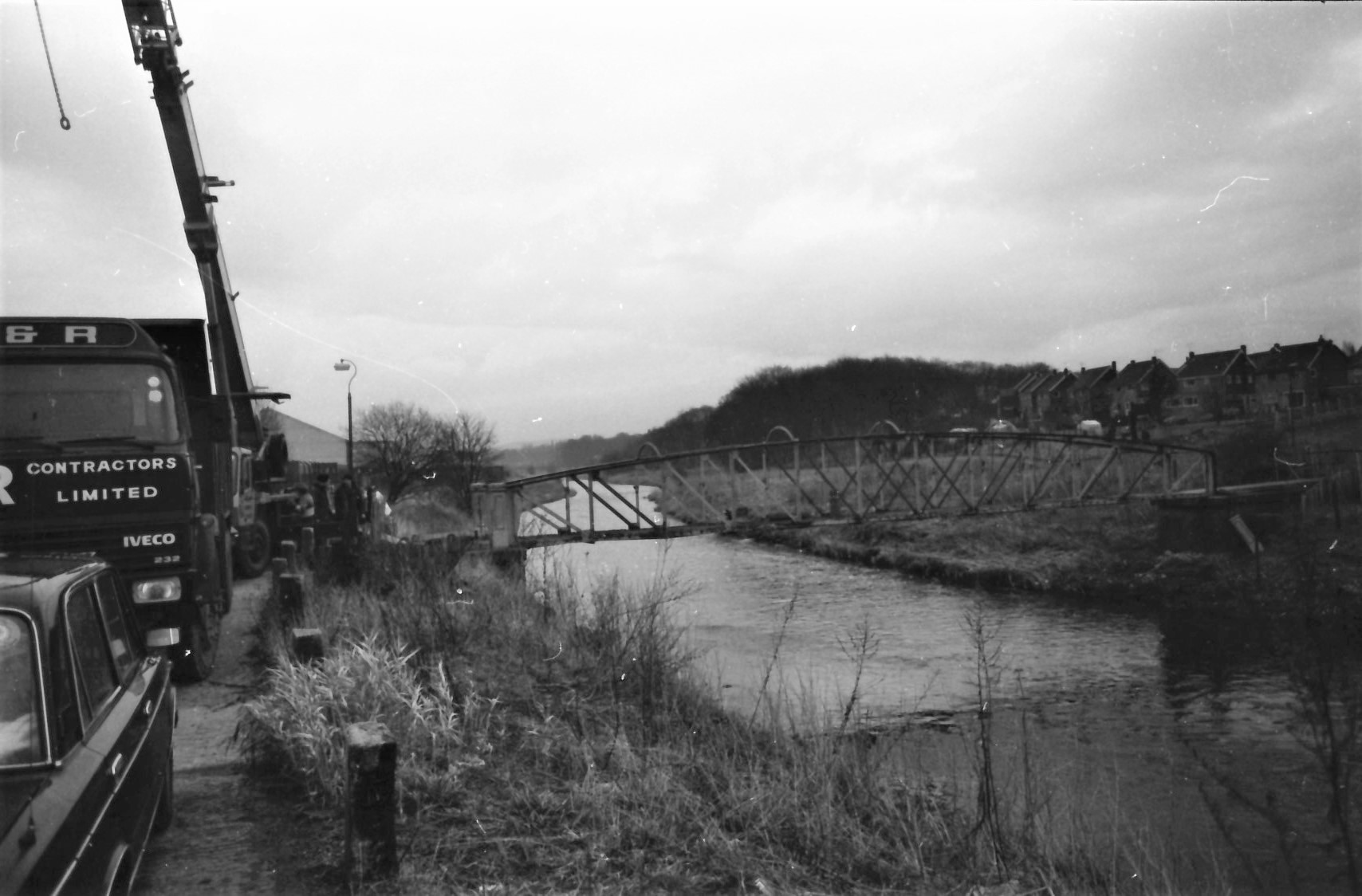
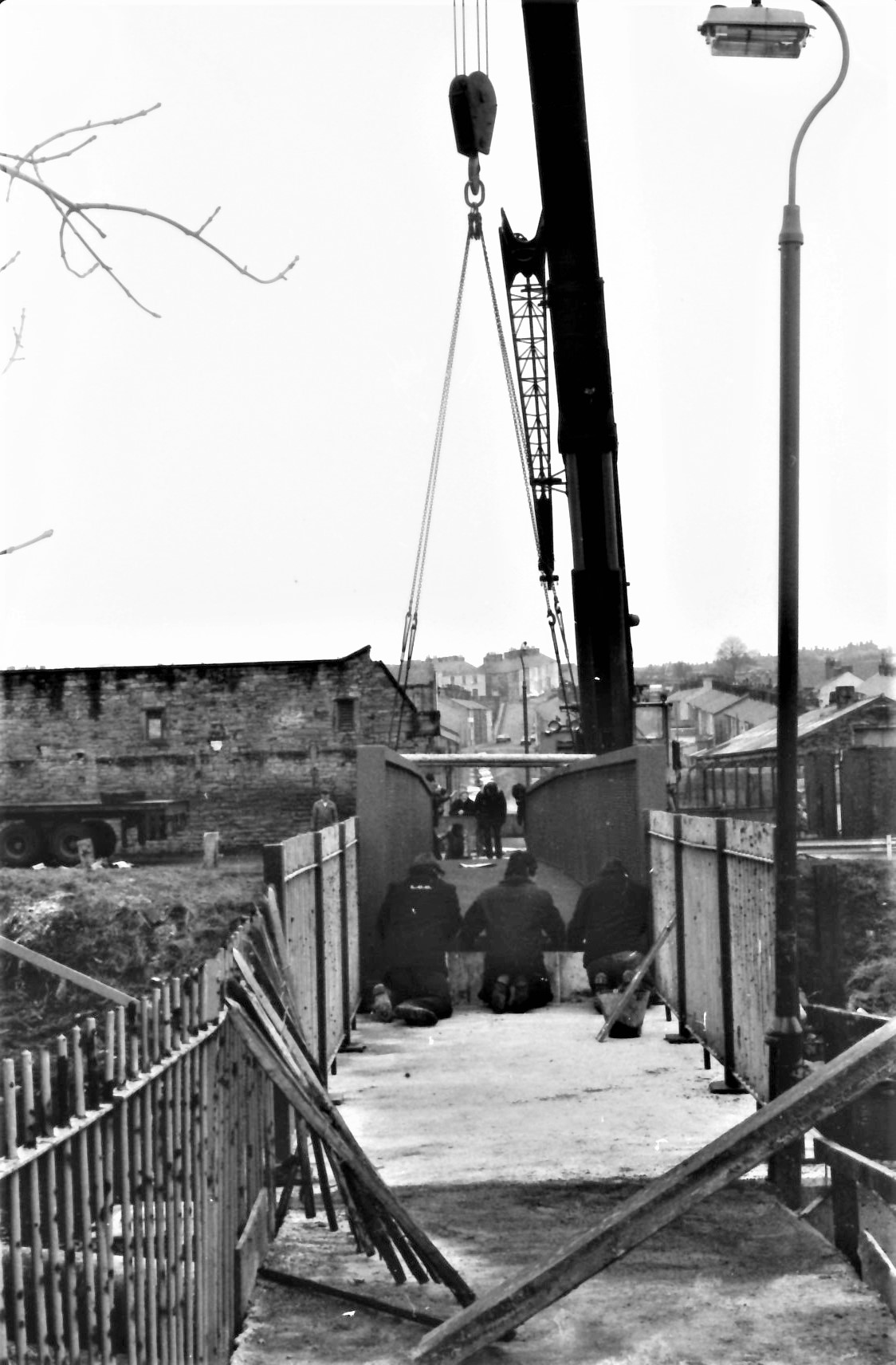
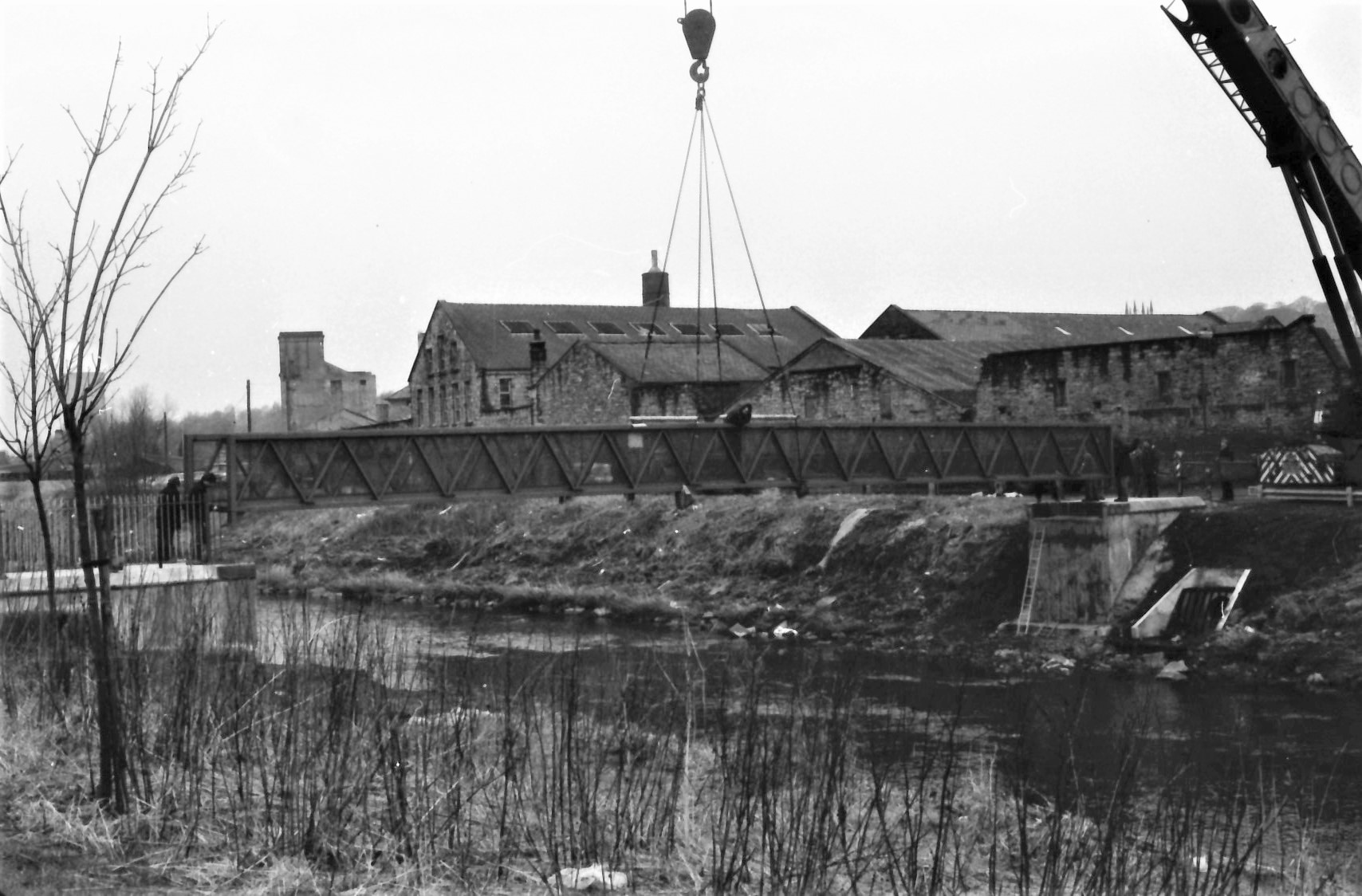
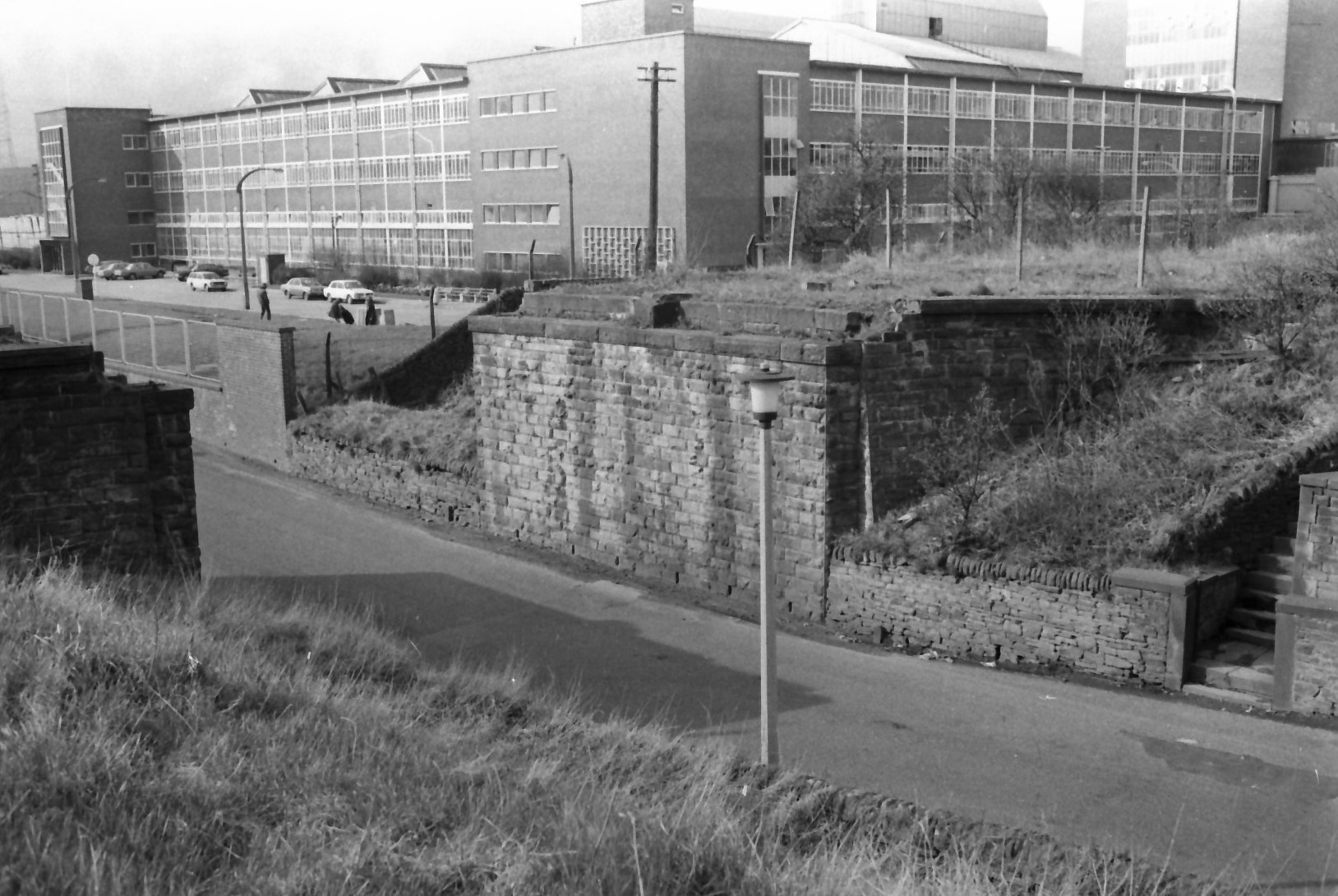
ANSWER: Mr Whittle said many of the improvements had still to be seen. He pointed out that the council was not only reclaiming the old colliery site, but also the line of the old mineral railway on the opposite side of Colne Road and land near St Peter's. At Bank Hall itself trees would be planted on a 'fairly large scale'; there would be further seeding and soiling, improvement of access to the site, and the building of footbridges over the River Brun.
QUESTION: What are the intentions for the Rowley site?
ANSWER: Mr Whittle said that Lancashire County Council hoped to begin their ambitious reclamation programme at Rowley later this year. The River Brun would be diverted, leaving its steep sided valley to be used for tipping, while the old colliery spoil heap would be reclaimed. Eventually, it was hoped to create a 10-acre lake, which could be used for water-based recreations.
QUESTION: What are the prospects for more pedestrianisation in the borough?
ANSWER: Mr Whittle said that any large-scale pedestrianisation in Burnley hinged on the Westgate link being built. In the meantime, experimental traffic schemes were being considered. He said these could include re-routing traffic in the Curzon Street area and direction of traffic at peak periods.
QUESTION: Have any steps been taken to set up a committee for the Padiham Conservation Area?
ANSWER: No steps have been taken to set up a committee of local people to look after the Padiham Conservation Area. Mr Whittle said the Planning Department was drawing up proposals for the area. When these had been considered by the council and had been the subject of public discussion, that would be the time to consider setting up a local committee.
QUESTION: What are the intentions for the water clock at Padiham?
ANSWER: The Chief Executive Officer said it was the opinion of Mr Rigg, the Curator at Towneley Hall, that the clock did not merit permanent display. It was a 19th century novelty, not one of the really ancient water clocks. He added that there was a water clock at Towneley which was considerably older.
QUESTION: Is it possible to create more bridleways in the Cliviger area? (Mrs Mary Towneley, who was at the meeting, said that horse riders had to take their lives in their hands when riding in the area, because lack of bridleways forced them to use the roads. She said that more than 300 horses in the area were used for riding, and the problem of accidents was becoming more worrying.)
ANSWER: Mr Whittle said corporation staff had been considering the problem of linking recognised bridleways with other tracks. But there was the problem of negotiation with landowners and the conflict of interests between horse riders and walkers who used paths in the area. Coun. Hanson suggested that a benefactor in the William Thompson mould might help to solve the problem.
QUESTION: What is the likelihood of coal being developed at Worsthorne?
ANSWER: Mr Whittle said that the results of experimental drilling which had taken place were not yet known. Coun. Hanson said he did not like the idea of a coal mine out in the countryside at Worsthorne. He said: "I had never thought we might see another mine starting up in Burnley when we began clearing up Bank Hall."
Local rambler Mr Ted Pindar suggested that the road over Crown Point should be made 'pedestrians only' like a similarly attractive route through the Peak District's Goyt Valley. He said that walkers, who wanted to enjoy what was one of the finest views in the area, had to take their lives in their hands because of speeding cars. Mr Whittle pointed out there would certainly be objections from motorists who used the road.
A vote of thanks to Mr Whittle and Coun. Hanson was proposed by Civic Trust member Mrs Gay Williams.
The meeting had started with the showing of the much-praised film, 'A Place to Live,' which was made for the North-East Lancashire Development Association to 'sell' the area to people in other parts of the country. The film was shown by Industrial Development Officer Mr Mike West, who must have been delighted at the favourable response from the audience.