Archive Search Page
Scheme That's 36 Years Ahead Of Its time
15 Apr 1975
Martholme Sewage Works
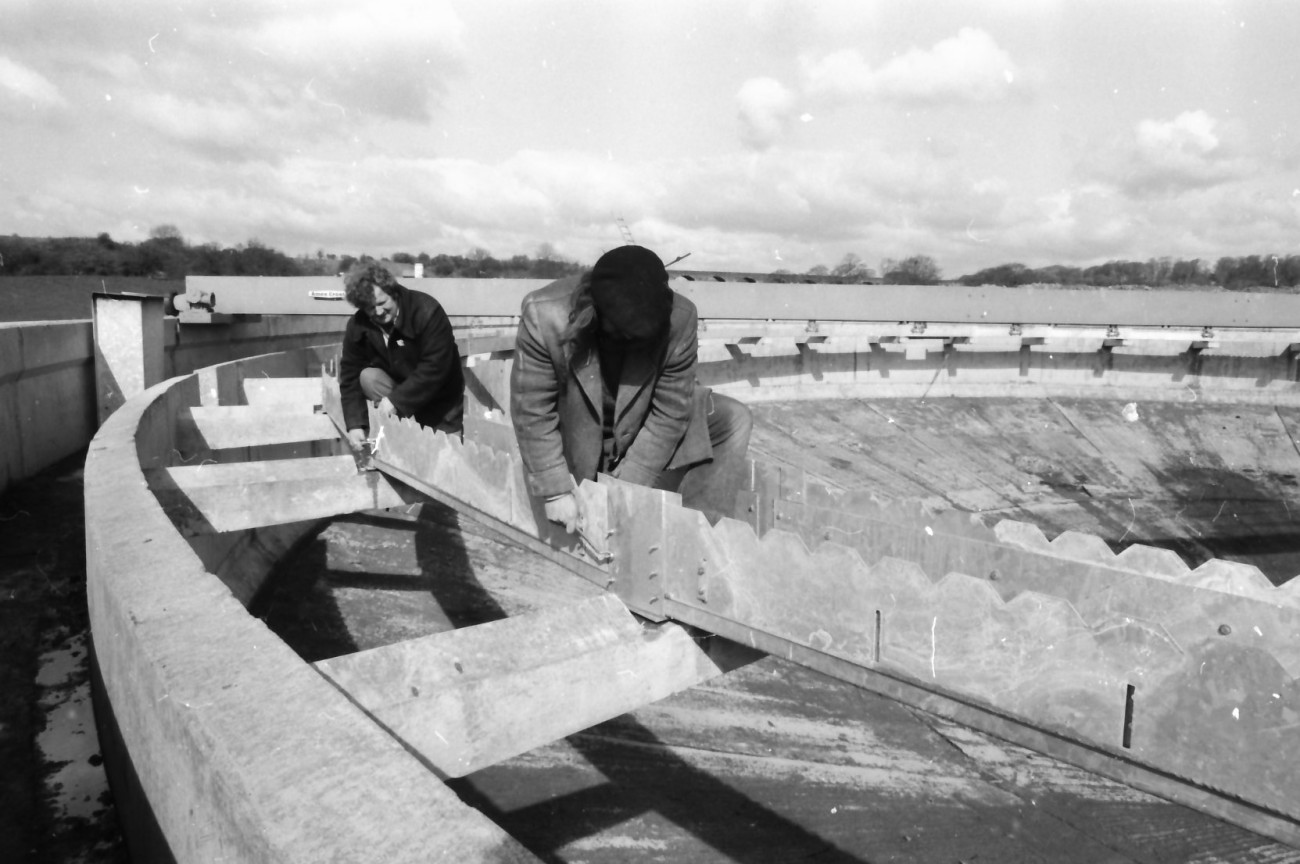
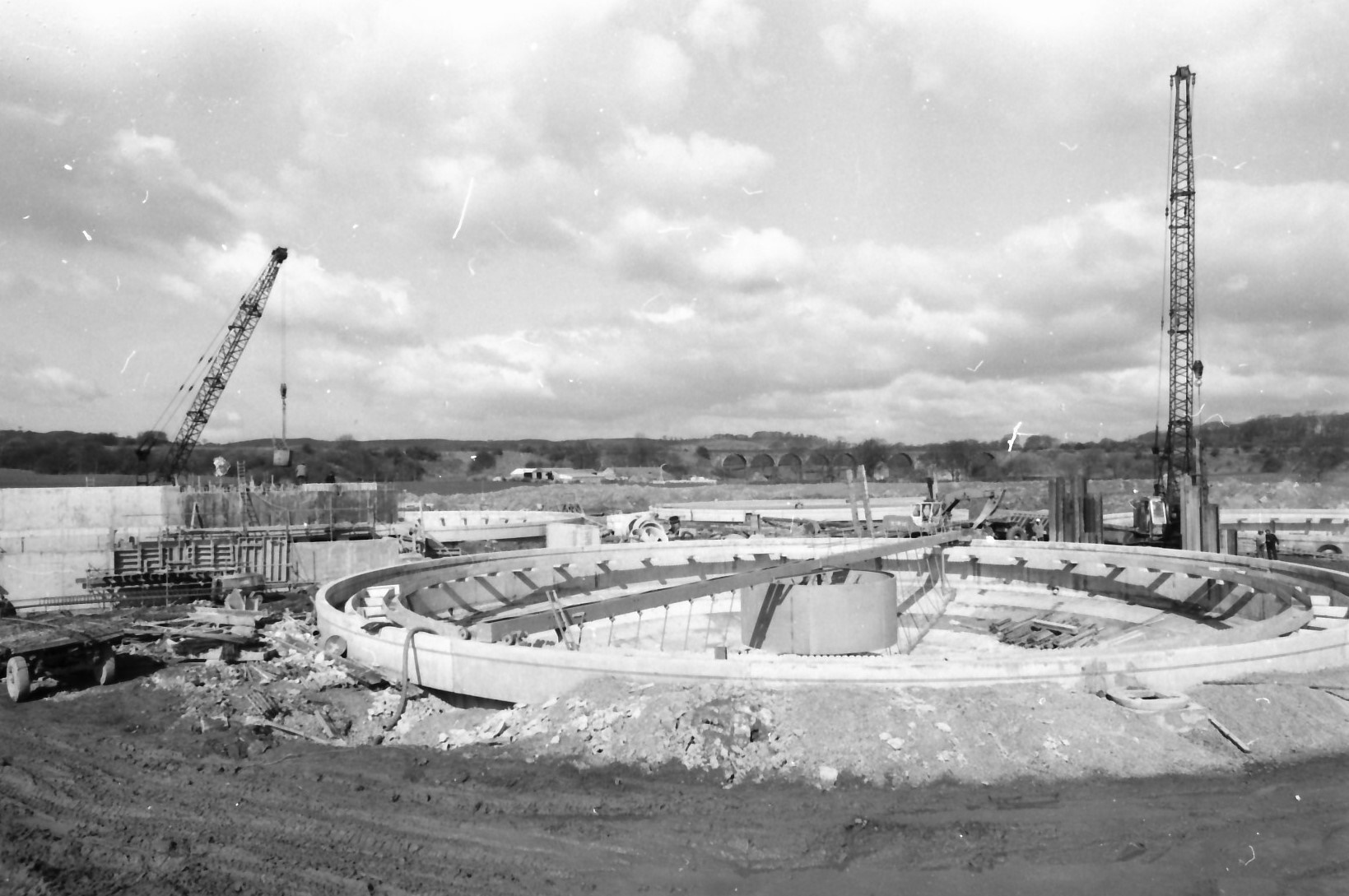
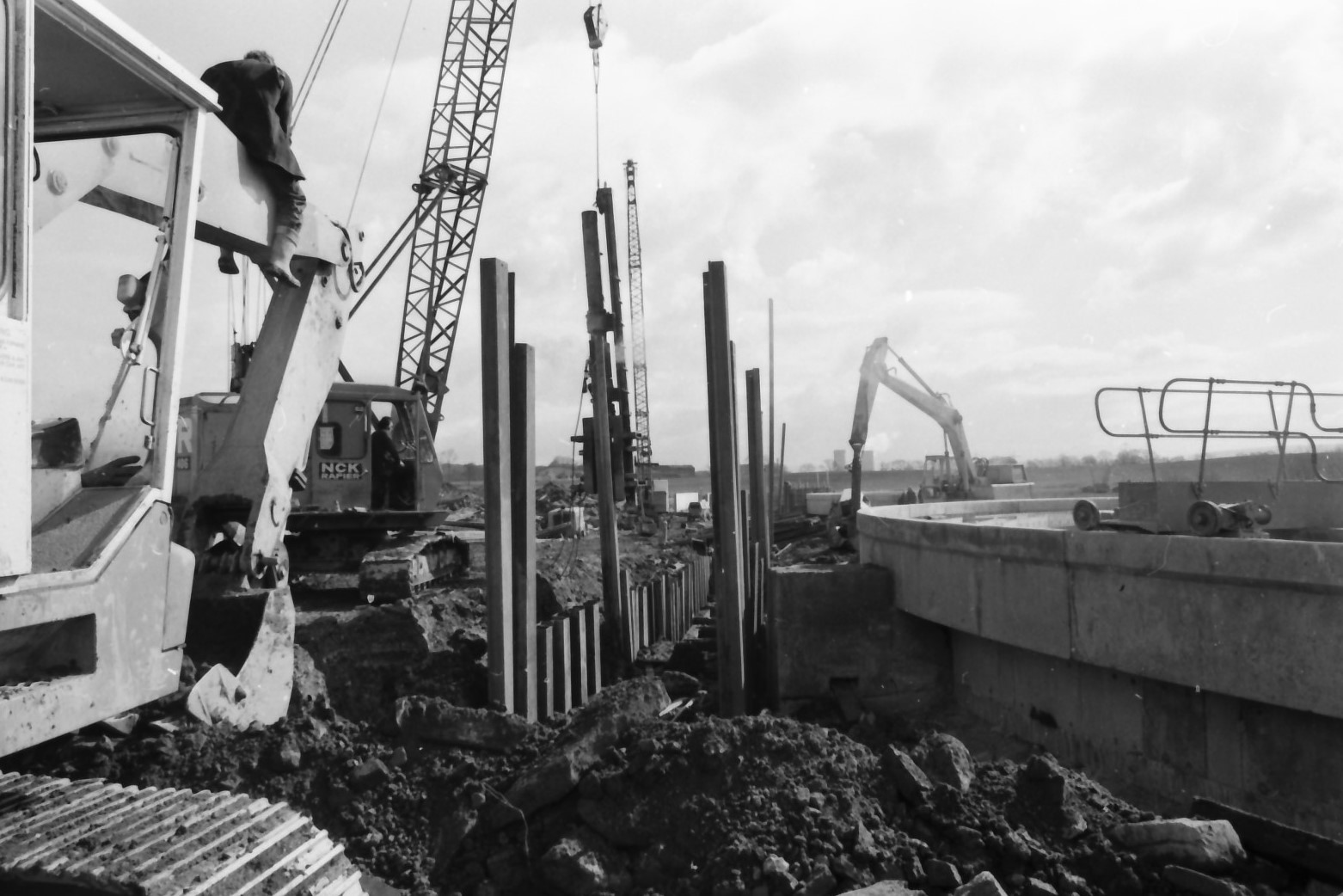
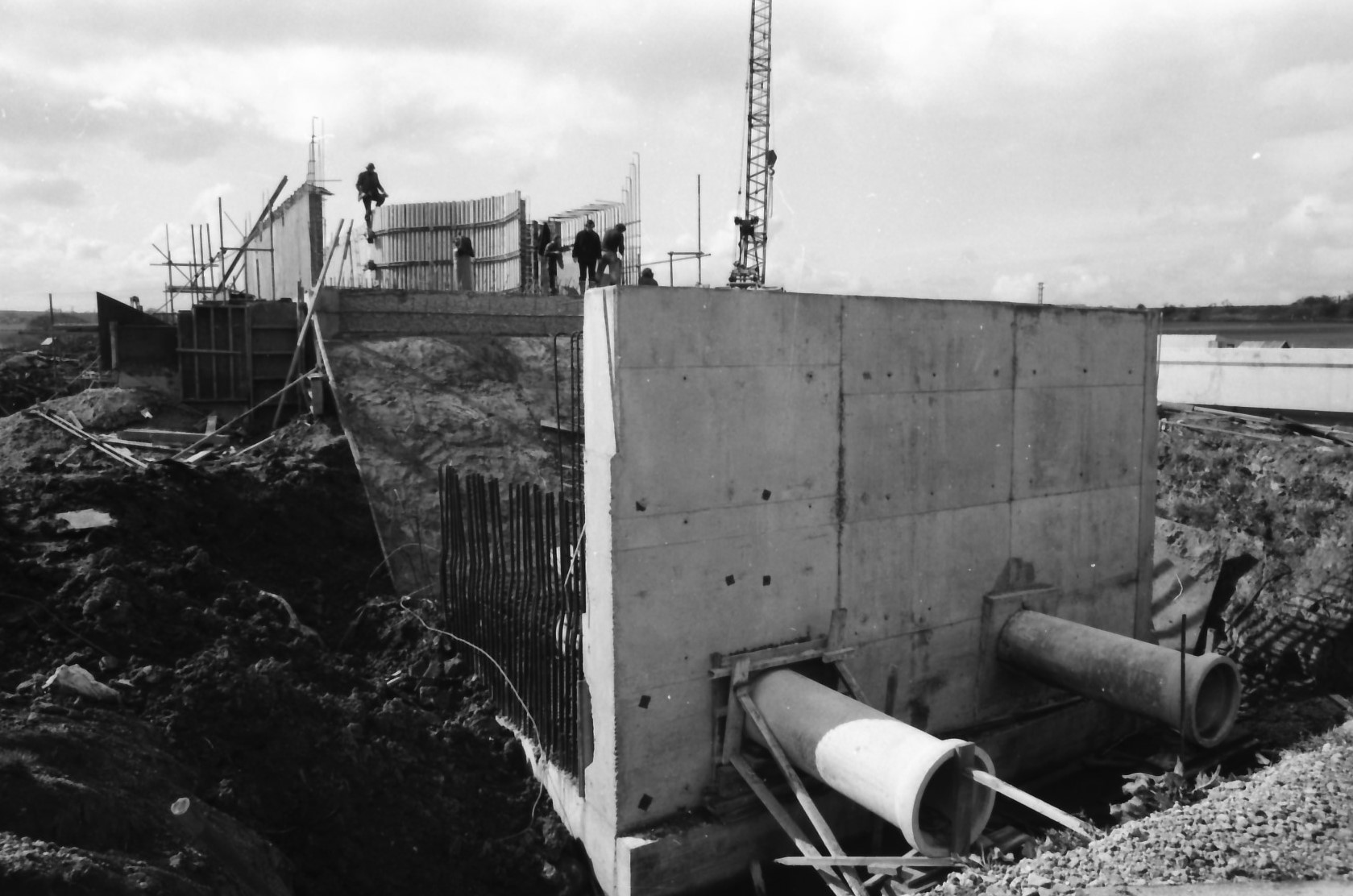
Two of the 30-strong work force at present engaged on site.
From an article by Tony Tweedie:
For many years sewage treatment and disposal has been the forgotten child of local authorities. Individual areas and districts have been served by their own sewage works, which are now rapidly becoming overburdened with the increase in population and industry. Old sewage works have been criticised as being unsightly, and the effluent they pour into local rivers, which was acceptable 20 or 30 years ago, is now coming to be regarded as pollution. But all this is changing locally with the construction of a multi-million pound sewage works at Martholme, between Read and Altham. This new treatment and disposal plant will replace nine old ones, which are nearing the end of their useful lives. West Burnley, Padiham, Read, Sabden and surrounding areas will share the new works with Accrington and Oswaldtwistle.
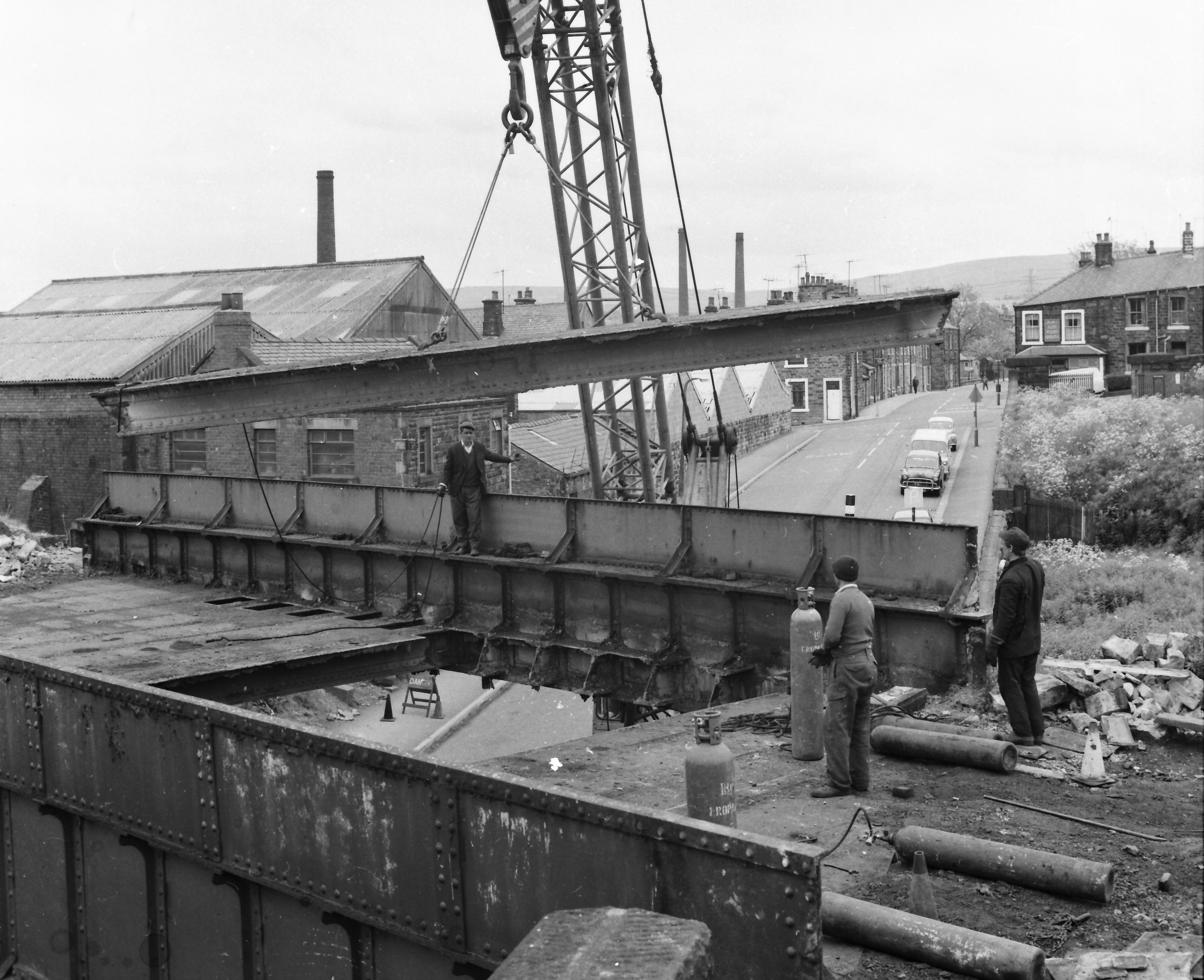
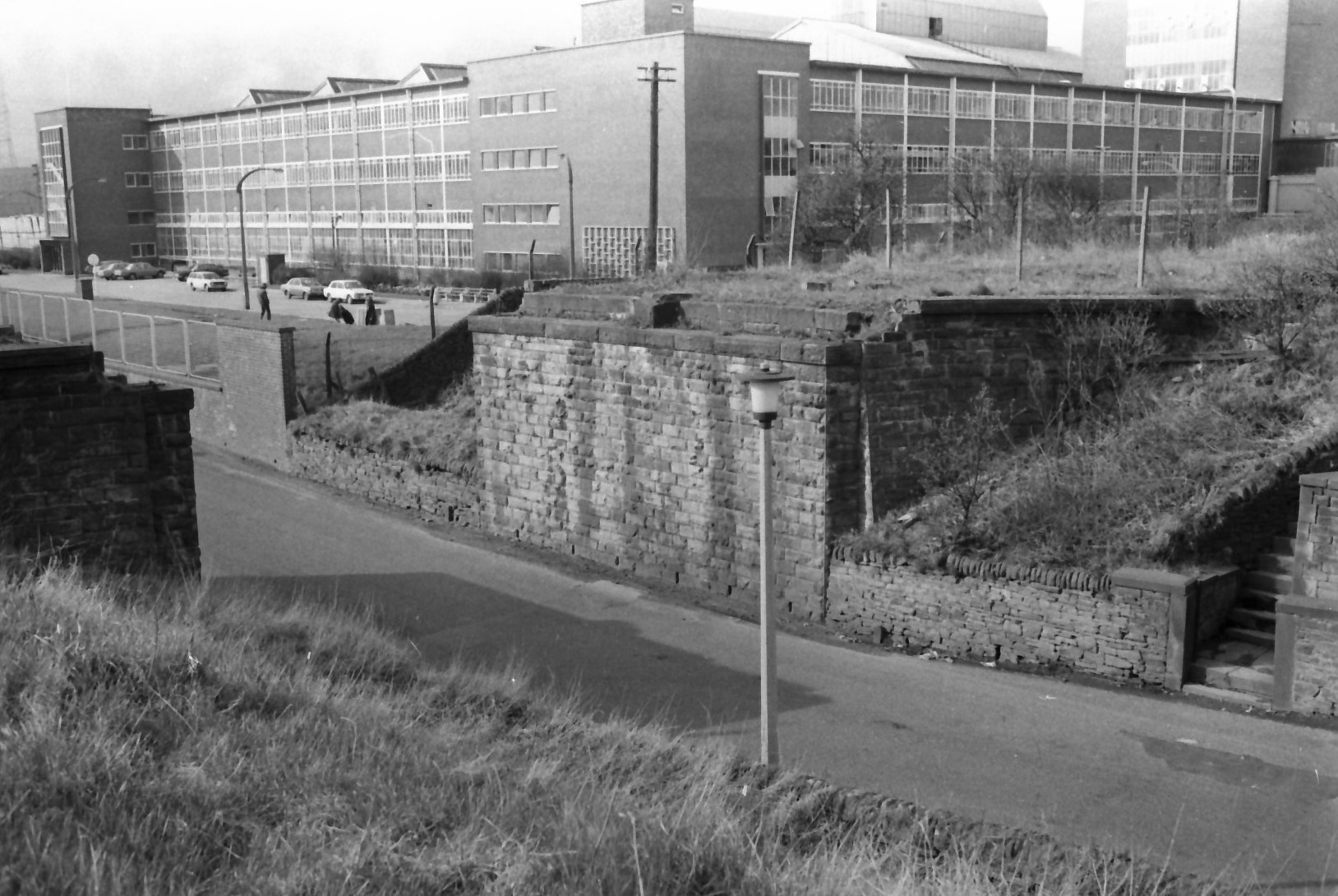
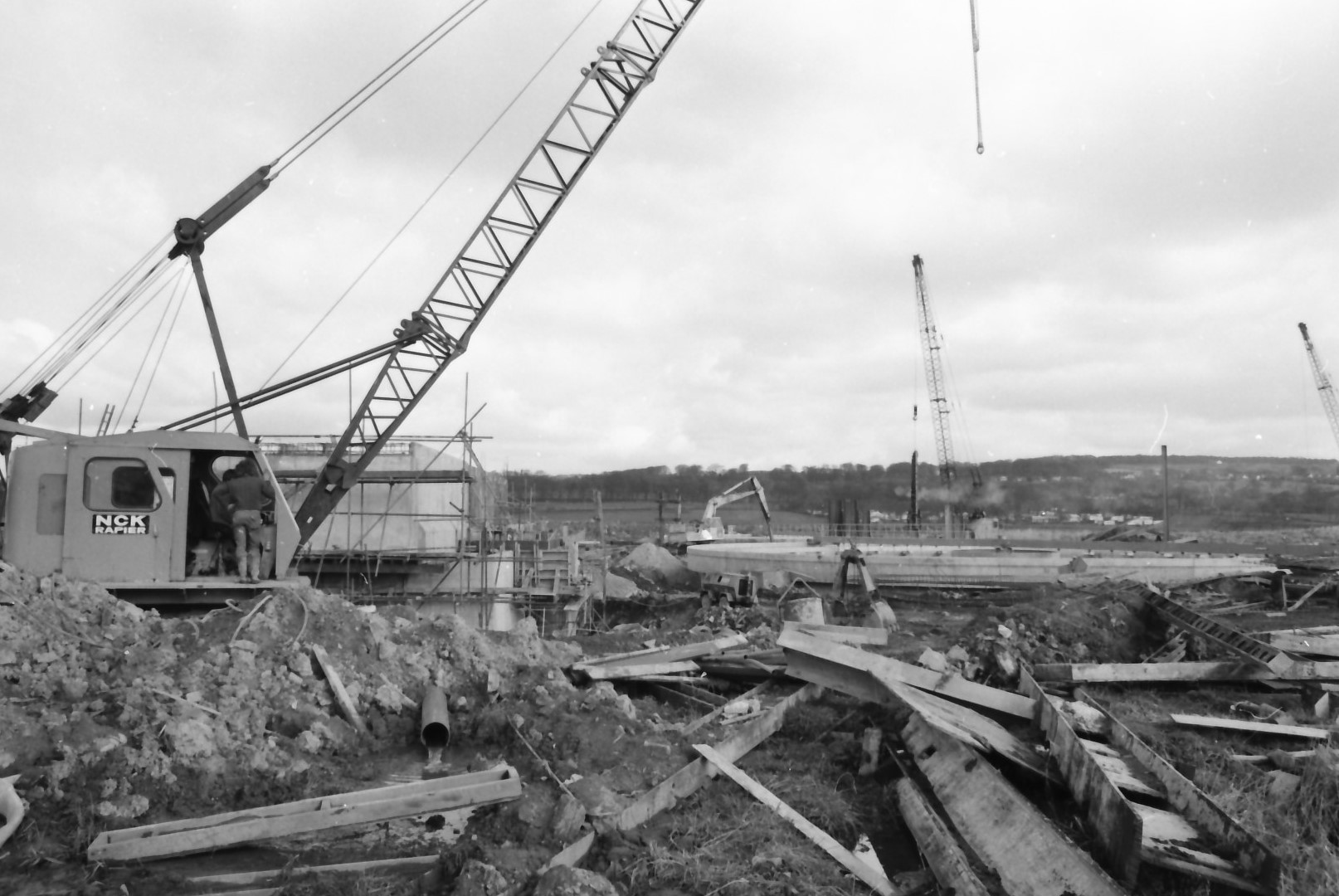
Situated next to the existing Martholme sewage works, the site is partially screened from view by the embankment of a disused railway, although it can be seen from parts of Read. I followed resident engineer John Nelson around the site, sinking mid-calf in a sea of clay churned up by a continuous stream of diggers, dredgers and pile-drivers. The scheme was planned and designed by the North-West Water Authority and the first phase, now under construction, is expected to be completed by spring next year. This phase involves the construction of six final settling tanks and a pumping station. The giant tanks, 35 metres in diameter and over six metres deep in the centre, stand on concrete piles sunk seven metres into the ground. Only the top 12 inches will be visible when building and landscaping is complete. The tanks will first be used to give extra treatment to the effluent from the existing Martholme works, improving the condition of the River Calder. Sewage from the Padiham and Altham works will also be taken by a giant sewer at present being laid to the new works. A second sewer, the Hyndburn Valley Sewer, is expected to be finished early 1977 and the complete Martholme works should be functioning by the end of 1978.